

Content marketing expertise isn’t built overnight. Most marketers struggle because they skip the fundamentals-jumping straight to tactics without understanding their audience or measuring results.
We at Innovative Events have seen firsthand how teams that master strategy, execution, and measurement outperform their competitors. This guide walks you through the exact skills you need to build content marketing expertise that actually drives business results.
Getting Your Strategy Right From Day One
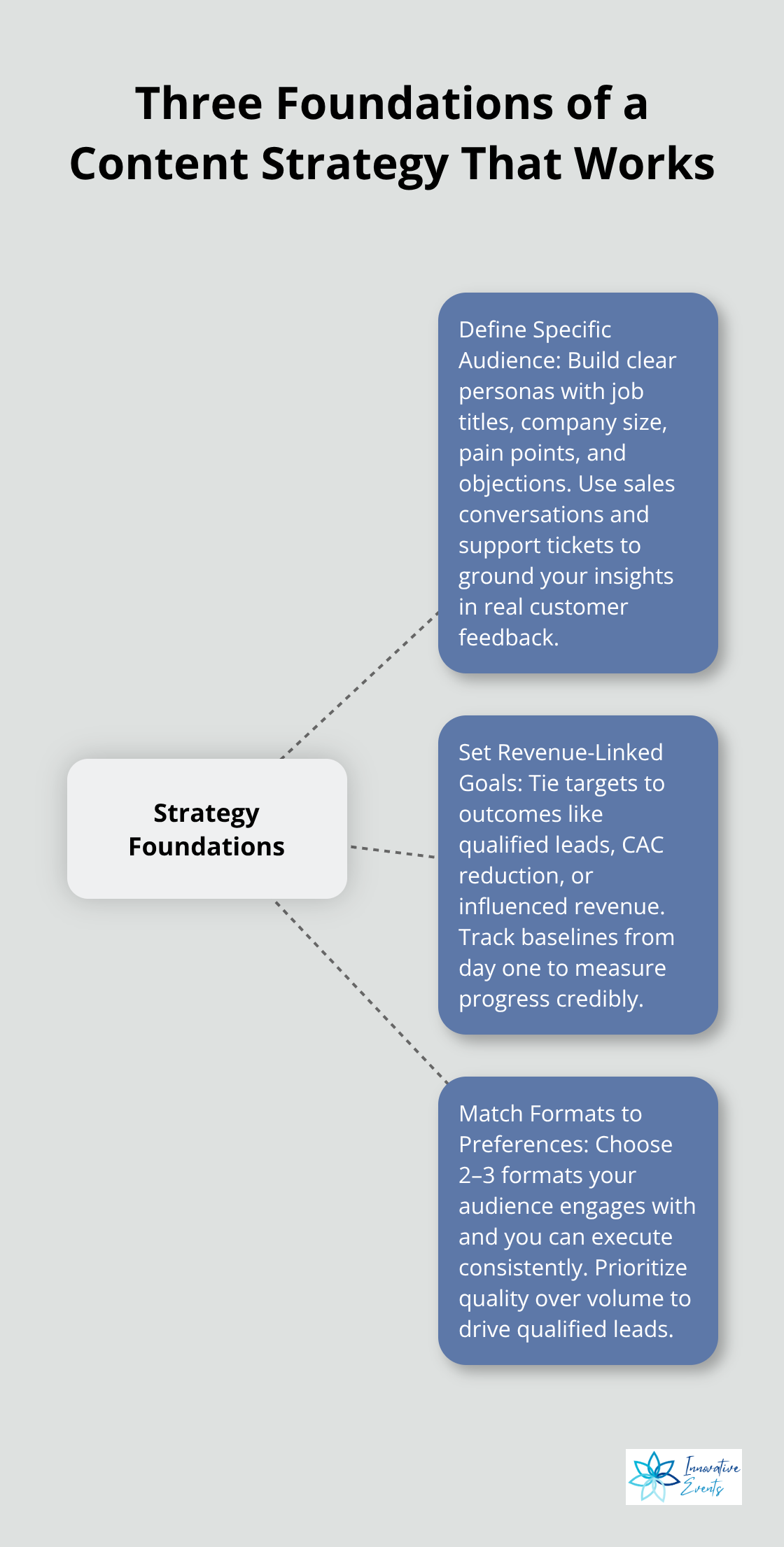
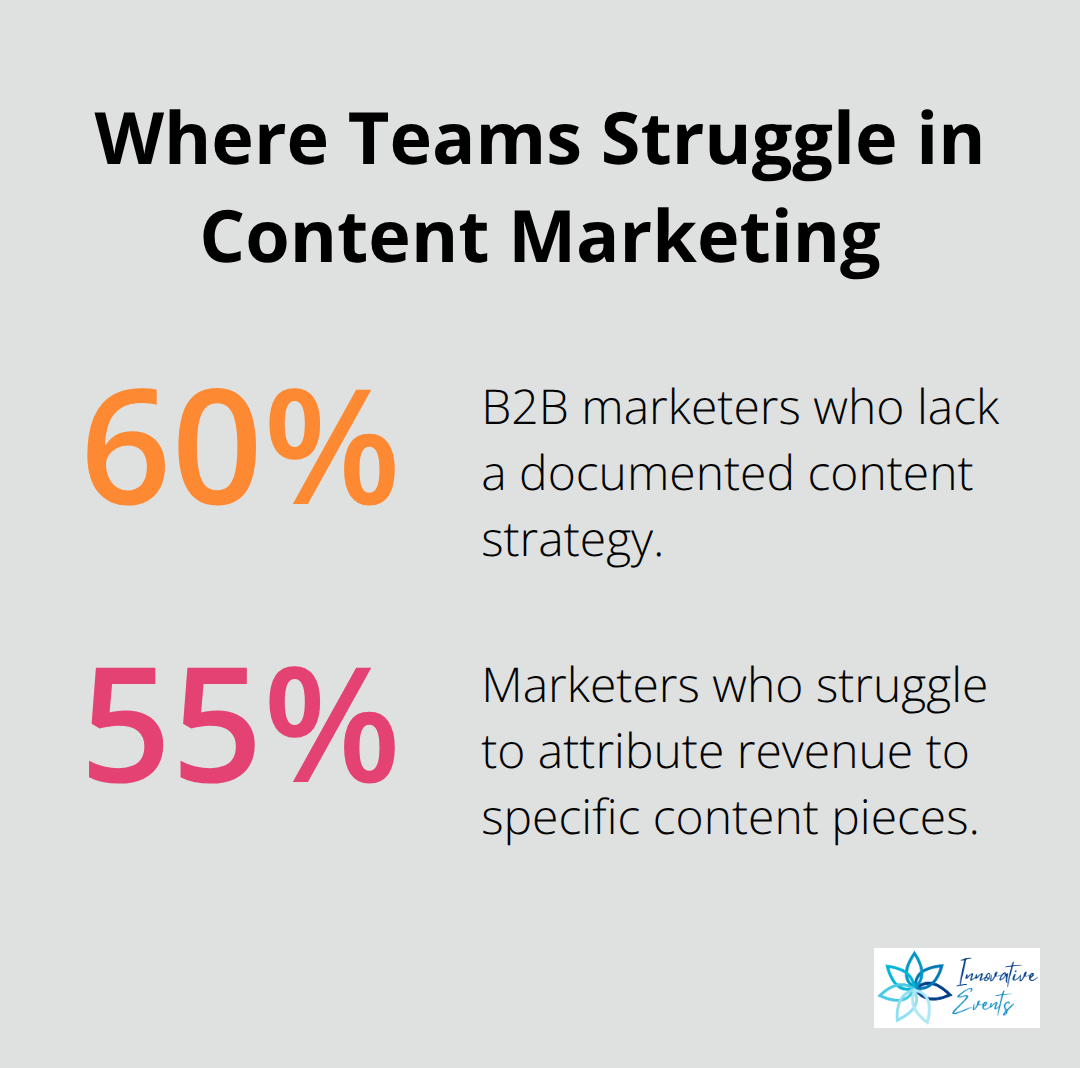
The biggest mistake teams make is starting content production without a clear strategy. They create blog posts, videos, and social media content hoping something sticks. It doesn’t. According to the Content Marketing Institute, 60% of B2B marketers say they lack a documented content strategy, and those without one struggle to measure ROI. You need three foundational elements in place before you write a single piece of content.
Define Your Specific Audience
Most teams define their audience too broadly. Instead of saying your audience is business owners, get specific. Identify the job titles, company sizes, revenue ranges, and specific pain points of the people who will benefit most from your content. If you’re in B2B, separate your buyer personas by role-the CFO cares about budget impact, the operations manager cares about efficiency, and the CEO cares about competitive advantage. Each persona needs different content angles.
Map out what each persona reads, where they spend time online, and what problems keep them awake at night. This isn’t theoretical work. Talk to your sales team, interview existing customers, and review customer support tickets to understand real objections and concerns. The more specific you are, the better your content will perform.
Set Goals That Connect to Revenue
Content goals should never be vague. Avoid saying you want more traffic or engagement. Instead, define specific targets like increasing qualified leads by 25% in six months or reducing customer acquisition cost through organic search by 15%. Link these content goals directly to business outcomes.
If you’re in B2B events, your content might aim to drive registrations for a webinar or conference. Set KPIs that actually matter: conversion rate from visitor to lead, lead quality score, cost per acquisition, and ultimately revenue influenced. Track these metrics from day one so you have baseline data to measure progress. Without clear goals connected to business results, you’ll struggle to justify continued investment in content.
Match Content Formats to Audience Preferences
Different audiences consume content differently. LinkedIn users engage with professional insights and industry reports. YouTube viewers want tutorials and demonstrations. Email subscribers appreciate curated roundups and exclusive data. Research your specific audience’s preferences rather than assuming everyone wants blog posts.
If your audience includes event planners or marketers, video content and case studies typically outperform long-form written content. Test different formats and track which ones drive the most qualified leads. Start with two or three formats you can execute consistently rather than trying everything at once. Quality matters more than volume-a well-executed video or detailed case study outperforms dozens of mediocre social posts.
With your strategy locked in place (audience defined, goals set, and formats chosen), you’re ready to build the execution skills that turn strategy into consistent, high-performing content.
Execution Without the Guesswork
Research Keywords Your Audience Actually Searches
Strategy means nothing without consistent execution. You need a repeatable system that produces quality content on schedule while capturing audience attention at every touchpoint. Start with keyword research that actually informs your content calendar. Most teams use keyword tools like SEMrush or Ahrefs but then ignore what they find, writing content based on gut feel instead.
Pull keywords your audience actually searches for, check the search volume and difficulty scores, and build your content around terms where you can realistically rank. If you’re targeting event marketing content, search terms like “how to plan a corporate conference” or “measuring event ROI” have real search demand. Google Search Console shows you which keywords already drive traffic to your site, so double down on those topics with deeper, more comprehensive content. Keyword strategy directly impacts whether your audience finds your content or it disappears.
Maintain a Publishing Schedule You Can Sustain
Sporadic content performs worse than consistent mediocre content because audience algorithms reward frequency. You don’t need to publish daily, but you need a cadence.
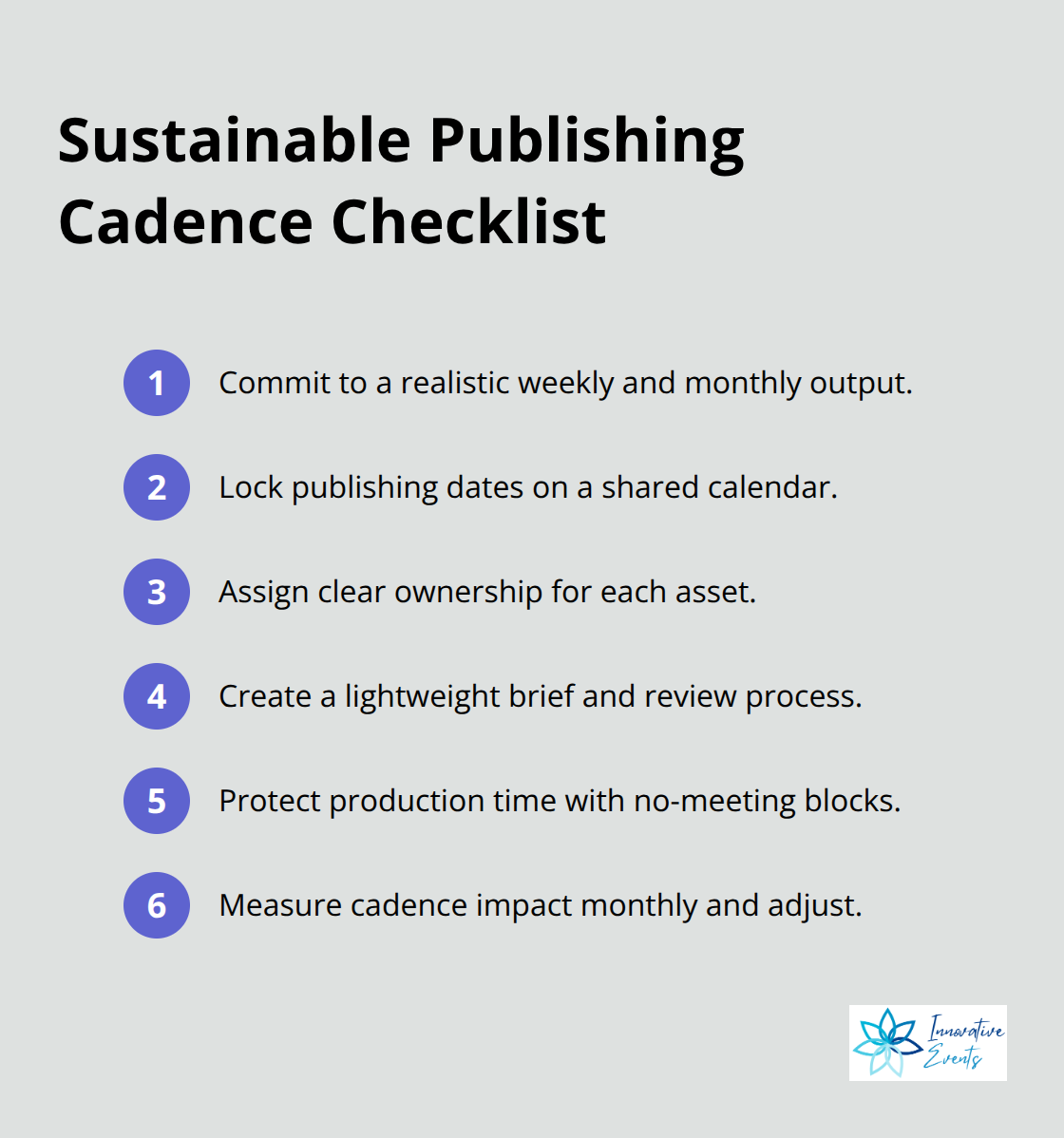
If you can commit to two blog posts weekly plus one video monthly, lock that into your calendar and treat it like a business meeting. Assign clear ownership so someone owns each piece from idea to publication. This accountability prevents content from stalling in draft form or missing deadlines.
Distribute Content Across Channels Where Your Audience Spends Time
Distribute your content across channels where your specific audience actually spends time. LinkedIn works for B2B professional audiences, but if your audience includes operations managers at mid-market companies, email newsletters often outperform social posts. Track click-through rates and lead quality from each channel to identify which ones drive actual results.
Event marketers often see higher conversion rates from email and targeted webinars than from broad social distribution, so channel strategy should match your audience behavior, not industry trends. Test two or three channels thoroughly rather than spreading yourself thin across every platform. The data from your own audience will reveal which channels deserve your investment.
Measure Performance and Adjust Your Approach
Your execution system only works if you measure what actually happens. Track which content pieces generate the most qualified leads, which channels drive the highest conversion rates, and which formats your audience engages with most. This data becomes your roadmap for what to create next.
With a repeatable execution system in place (keyword-informed content, consistent publishing, strategic distribution), you now need the measurement skills that separate high-performing content teams from those spinning their wheels.
Measuring What Actually Moves Your Business
The gap between content activity and content results is enormous. Most teams track vanity metrics like page views and social impressions while ignoring the numbers that matter. Countless marketing teams produce hundreds of pieces of content annually, only to discover their work generates almost no qualified leads or revenue influence. Stop tracking what’s easy to measure and start tracking what drives business outcomes.
Set Up Proper Attribution Tracking
Configure Google Analytics 4 to monitor conversion paths from content touchpoints to lead or customer. Add UTM parameters to every piece of content you distribute so you know exactly which topics, formats, and channels generate actual conversions rather than just clicks. 55% of marketers struggle to attribute revenue to specific content pieces, which means most teams lack proper tracking infrastructure.
Without attribution, you’ll waste months producing content that looks successful in vanity metrics but delivers nothing to the business. Start with your highest-value conversion actions-a demo request, webinar registration, or newsletter signup-then track backwards to see which content pieces influenced those actions. If you run events, measure how many attendees arrived because of specific content marketing efforts versus paid advertising or sales outreach. Document the revenue influenced by each content piece over a six-month window, not just immediate conversions (some content takes months to influence a decision, so attribution models matter enormously).
Analyze Performance by Content Type and Channel
Once you have tracking in place, stop looking at overall metrics and zoom in on performance by content type, topic, and distribution channel. Content performance varies wildly. Blog posts about event ROI measurement might convert at 8% while general event planning tips convert at 1.2%. Video content might drive 40% higher engagement than written content for your specific audience. Email campaigns might generate 6x more qualified leads than LinkedIn posts despite lower total reach.
Your job is to identify these patterns in your actual data and then shift your production calendar toward formats and topics that work. Most teams do the opposite-they keep producing underperforming content because it feels easier or more prestigious. If your data shows that case studies drive 3x more qualified leads than how-to guides, allocate 60% of your content calendar to case studies and 40% to how-to guides.
Iterate Monthly Based on Performance Data
Test new topics or formats for one month, measure results, then either expand or abandon based on actual conversion rates and lead quality. This approach requires discipline because underperforming content often feels important or aligned with what competitors produce. Try shifting your focus toward what your audience actually converts on, not what feels right in theory. The data from your own campaigns will reveal which content types deserve continued investment and which ones waste your team’s time.
Final Thoughts
Content marketing expertise requires you to master three interconnected skills: strategy that targets the right audience with clear business goals, execution that produces consistent quality content, and measurement that reveals what actually works. Most teams fail because they skip one of these elements or execute them poorly. The teams that win do all three and connect each piece to measurable business outcomes.
Lock in your strategy first by identifying exactly who you’re targeting, what business outcome you’re chasing, and which content formats your audience prefers. Then build a repeatable execution system with keyword research, consistent publishing, and strategic distribution across channels where your audience actually spends time. Finally, measure ruthlessly by tracking attribution, analyzing performance by content type and channel, and iterating monthly based on real data.
If you’re running events or managing event marketing, content marketing expertise becomes even more valuable because strategic content drives registrations, builds anticipation before events, and extends impact long after attendees leave. We at Innovative Events help brands craft compelling messaging and strategic content that turns audiences into engaged communities. Start building your content marketing expertise today with Innovative Events, and watch how consistent, data-driven content transforms your business outcomes.