

Most brands fail because they chase trends instead of building something real. A creative brand strategy isn’t about being flashy-it’s about clarity, consistency, and knowing exactly who you’re talking to.
At Innovative Events, we’ve seen firsthand how the right strategy transforms how customers perceive and engage with a brand. This guide walks you through the fundamentals that actually move the needle.
The Three Non-Negotiables of Working Strategy
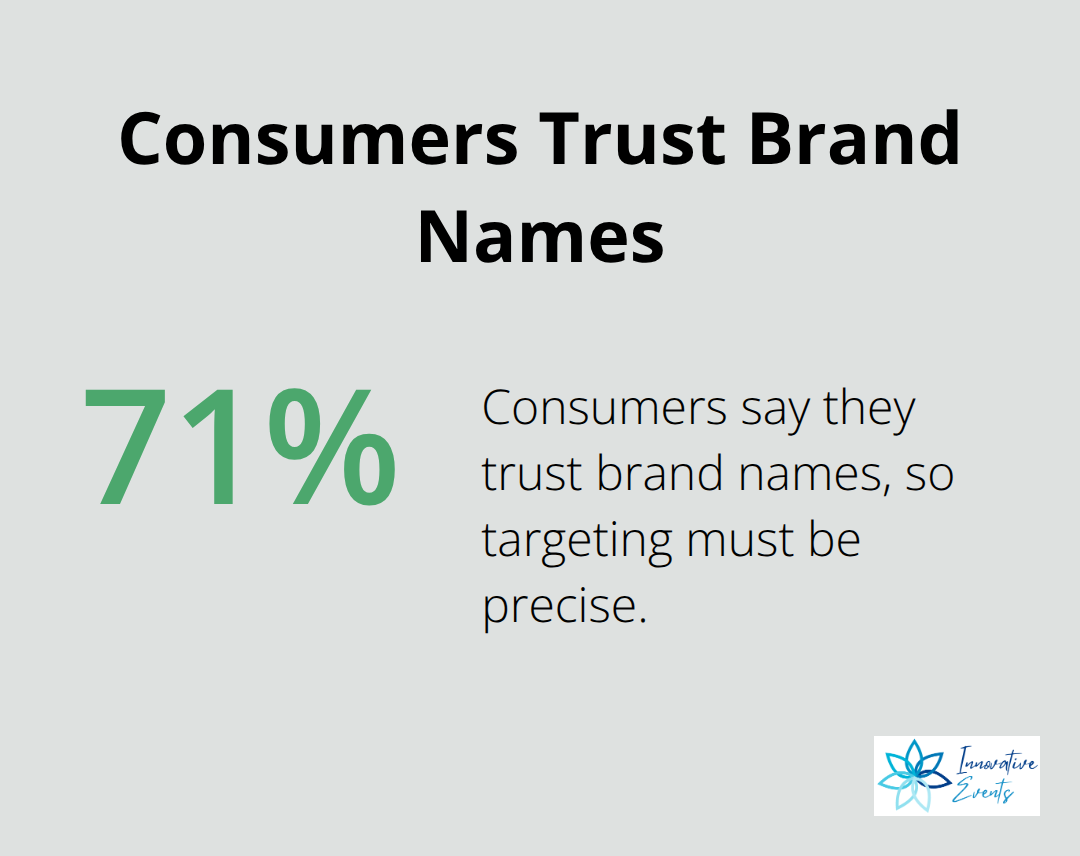
A brand strategy without a clear target audience is just noise. Too many brands spray messaging everywhere and hope something sticks. The data backs this up: 71% of consumers say they trust brand names, which means your strategy has to be laser-focused or it disappears. Start by identifying who actually buys from you, not who you wish would buy from you. Use Google Analytics to see which demographics spend time on your site, pull data from your CRM to spot purchasing patterns, and survey your actual customers about their pain points.
Don’t assume you know what keeps your audience up at night. Ask them directly. Once you understand their frustrations, your messaging stops being generic and becomes something they recognize as made for them. This clarity is what separates brands that grow from brands that plateau.
Consistency Wins Markets
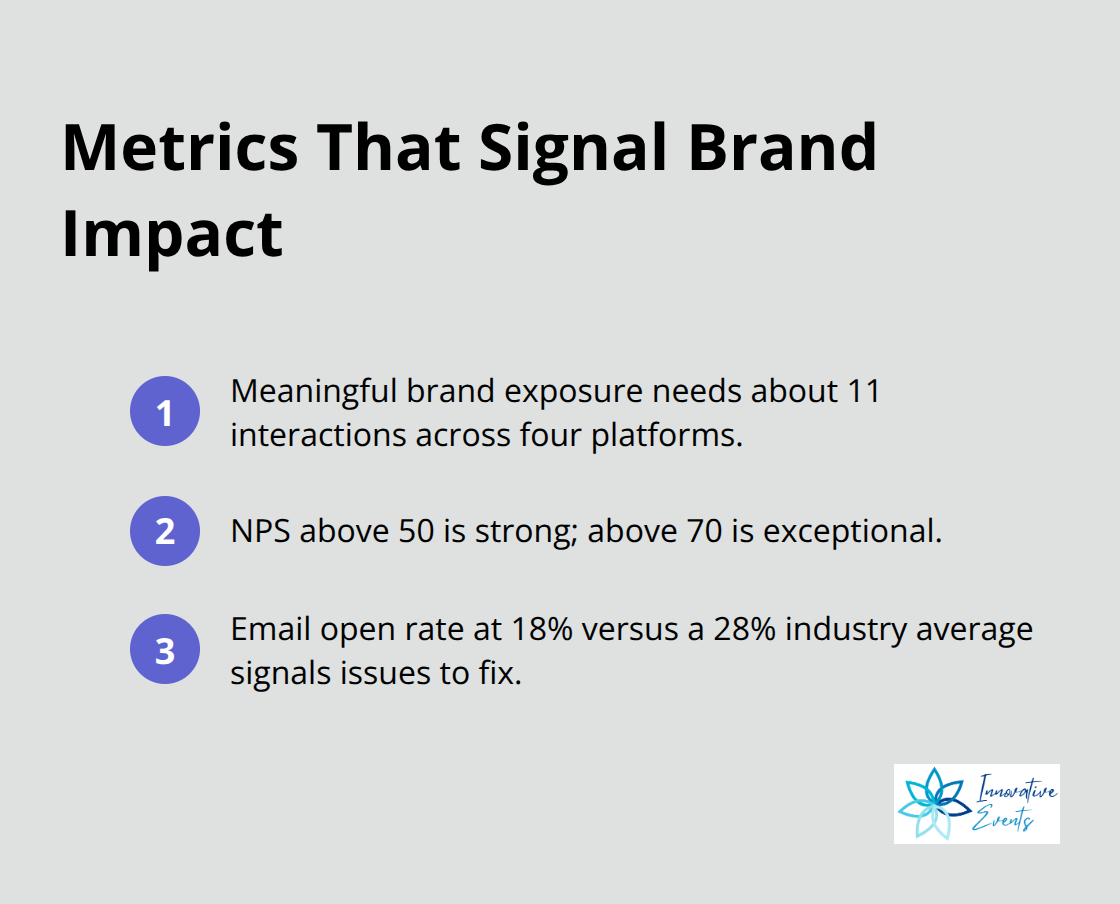
Consistency across touchpoints isn’t optional. It’s the difference between a brand customers trust and one they ignore. According to research from Google, meaningful brand exposure requires about 11 interactions across four platforms before people really remember you. That means your website, social media, email, packaging, and ads all need to feel like they came from the same organization. Only 25% of companies actively enforce their brand guidelines, even though 95% have them written down. That’s a massive opportunity gap. If your Instagram looks premium but your email feels cheap, or your website is modern while your ads feel dated, customers get confused about what your brand actually is. Create a single source of truth for your brand: document your color codes, fonts, tone of voice, and visual style in one place.
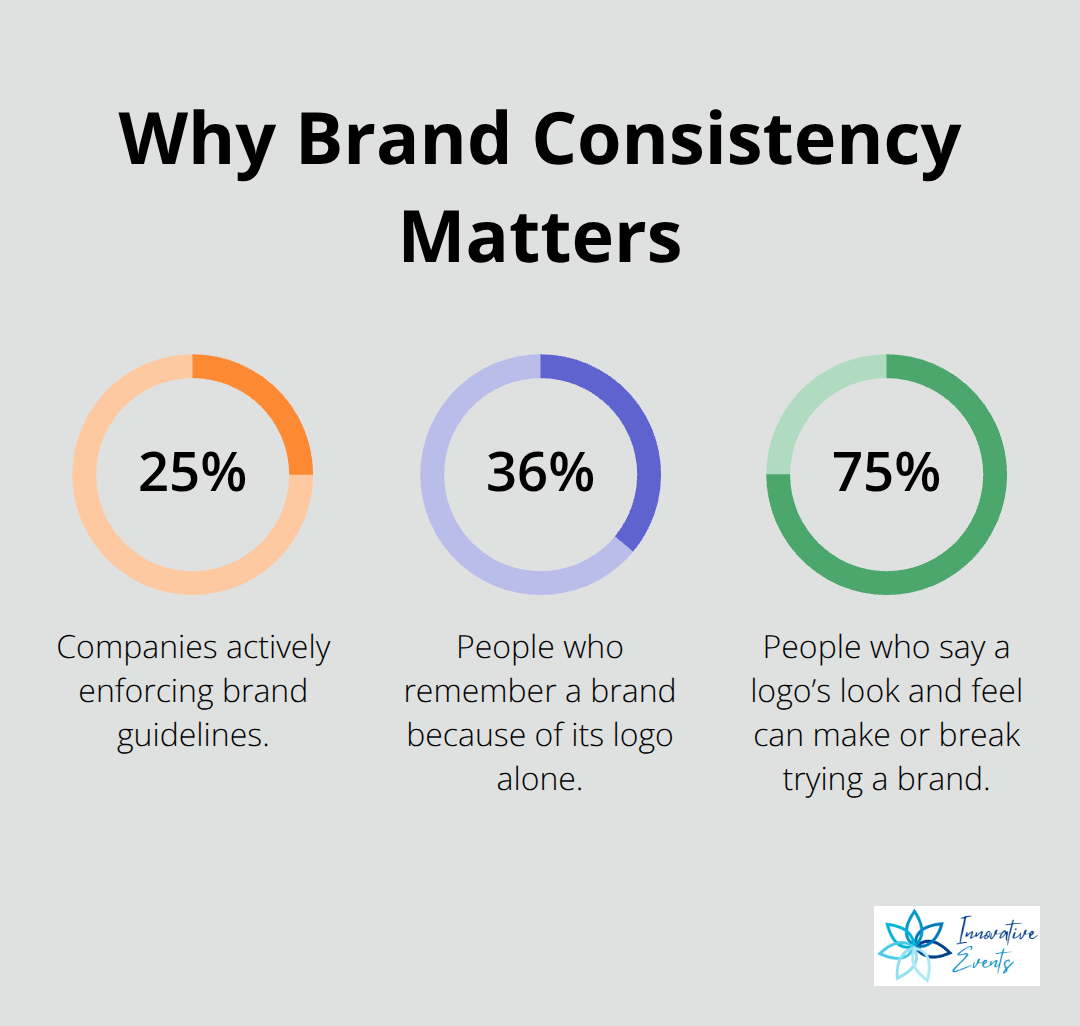
Then make sure everyone touching your brand-internal teams, agencies, contractors-actually uses it. This consistency builds recognition. Research shows 36% of people remember a brand because of its logo alone, and 75% say the look and feel of a logo can make or break whether they even try a brand.
Values and Business Goals Must Align
Your brand values can’t contradict what your business actually does. If you claim sustainability but source from suppliers with terrible environmental records, customers will find out and abandon you. Alignment means your strategy, operations, and messaging all point in the same direction. When they don’t, you waste money. Marketing might push one message while your product experience delivers something completely different. That friction kills customer loyalty. The practical step here is simple: write down your actual business goals for the next 12 months. Write down your brand values. Then check them against each other. If you position as a premium brand but your pricing strategy is race-to-the-bottom, that’s misalignment. If you claim to value customer service but your support team is understaffed, that’s misalignment. These gaps aren’t small problems-they’re expensive problems that show up in churn rates and negative reviews. Fix them before you build anything else.
Where Strategy Meets Execution
Your brand strategy only works when what you say matches what you do. This alignment extends beyond internal operations into how you actually show up for customers. Every interaction-whether through an event, a social media post, or customer service-either reinforces your brand or contradicts it. The brands that win are the ones where strategy and execution move together, not the ones that look good on paper but fall apart in practice. This is where many brands stumble. They craft a beautiful strategy document and then fail to translate it into real decisions and actions across the organization. Your next step is to take what you’ve learned about your audience, lock in your consistency standards, and align your operations. Only then can you build something that actually stands out.
How to Build a Brand That Actually Stands Out
Define Your Unique Value Proposition
Your unique value proposition is the one thing competitors cannot copy. It’s not your product features-it’s the specific outcome your customers get that they can’t find elsewhere. Most brands bury this in jargon or make it too broad to mean anything. State it with ruthless specificity.
If you sell project management software, saying you’re “easy to use” is worthless because every competitor claims that. Instead, identify the exact problem you solve faster or better than anyone else. Asana positions itself around helping teams eliminate meetings by centralizing information. Monday.com focuses on visual workflow transparency. These aren’t features-they’re specific outcomes that matter to different buyer segments.
Interview your best customers and ask them why they chose you over competitors. Listen for the outcome they mention, not the feature. Then test that message with prospects who didn’t buy from you and ask what stopped them. This reveals whether your value proposition actually moves people or if it’s just noise.
Reinforce Your Value Through Visual Identity
Your visual identity must reinforce your value proposition, not contradict it. If you claim to be premium, your design system should reflect that through restrained color palettes, high-quality photography, and generous white space. If you position as accessible and friendly, your visuals should feel warm and approachable.
Louis Vuitton’s iconic monogram and gallery-like store design reinforce exclusivity and heritage. Aesop’s uniform packaging and minimalist store design signal simplicity and quality. Your colors, typography, fonts, and imagery all work together to create an immediate perception before anyone reads a word.
Choose three to four core colors maximum and stick with them religiously. Inconsistent visual identity costs money-research shows 75% of people say the look and feel of a logo can make or break whether they try a brand. This consistency matters across every touchpoint where customers encounter your brand.
Build a Story That Shows Real Conviction
Your brand story must show why you exist beyond making money. Patagonia’s story centers on environmental activism and includes controversial campaigns like “Don’t Buy This Jacket” and “Worn Wear,” which positions sustainability as something the founder actually believes in, not a marketing angle. Dove’s Real Beauty campaign challenged beauty standards by featuring real people instead of models, which shifted how women perceived the brand and drove measurable sales uplift according to Ad Age.
The difference between these stories and generic brand narratives is that they take a real stance and show action backing it up. Develop your story around a genuine belief your organization holds and then demonstrate it through decisions you actually make. When brand story authenticity is transparent, consistent, and genuine in its communication and behavior, customers recognize it and build trust and loyalty with your brand.
Your brand story becomes the foundation for how you show up in every customer interaction-from the events you host to the content you create to the way your team engages on social media. When your story aligns with your actions, customers don’t just buy from you; they become advocates who spread your message for you.
How to Know If Your Brand Strategy Is Actually Working
Establish a Baseline and Set Real Targets
The biggest mistake brands make is building a strategy and then never measuring whether it moves the needle. You need concrete data to know if your positioning resonates, if your messaging lands, and if customers actually perceive you the way you intend. Start by establishing a baseline before you implement changes. Document your current brand awareness using Google Analytics, social media follower counts, website traffic, and customer surveys asking how familiar people are with your brand and what they think you stand for. Then set specific targets for the next six months. If 40% of your target audience recognizes your brand today, try reaching 55%. If your average customer spends five minutes on your site, try reaching eight minutes. These numbers give you something real to measure against.
Track the Metrics That Matter Most
Net Promoter Score, or NPS, is one of the most reliable indicators of brand health. Ask customers how likely they are to recommend you on a scale of zero to ten. Scores above 50 are strong; scores above 70 are exceptional. Companies like Shell mapped online signals to customer intent and achieved a 4.44 return on investment in the US by predicting purchase behavior with remarkable accuracy.
Your engagement metrics across channels matter just as much as awareness metrics. Track click-through rates on emails, video completion rates on social platforms, comment rates on posts, and time spent on key landing pages. If your email open rate is 18% but your industry average is 28%, that signals your subject lines or sender reputation need work. If your Instagram posts get 2% engagement but your TikTok videos get 8%, you’re not reaching people on the right platform.
Ferrara Candy built a sophisticated sales lift tracker that measured campaign impact five or more weeks after execution by combining data from loyalty cards, consumer panels, weather patterns, and ad exposure. You don’t need that level of complexity to start, but the principle holds: connect your marketing efforts to actual business outcomes like revenue, leads, or customer acquisition cost.
Listen to What Customers Actually Say
The second part of the measurement is listening to what customers actually say about your brand. Monitor social media mentions and sentiment using free tools like Google Alerts or paid platforms like Brandwatch. When people mention your brand online, are they talking about the value proposition you claim or something else entirely? If you position as premium but customers praise you for being affordable, your positioning is misaligned with reality.
Set up a simple quarterly survey asking customers why they chose you and what they think your brand stands for. Ask non-customers why they didn’t buy from you. This qualitative feedback reveals gaps between your intended brand perception and actual perception faster than any metric. The hard part comes next: actually adjusting your strategy based on what the data tells you.
Adjust Your Strategy Based on Evidence
Most brands collect data and ignore it. If your engagement metrics show customers respond better to educational content than promotional content, shift your editorial calendar. If sentiment analysis reveals customers perceive you as corporate, but you want to feel approachable, that signals your tone of voice and visual identity need refinement. Made.com tested dynamic Facebook ads and achieved a 27% UK sales uplift by letting the data guide creative decisions. Xero’s sponsorship of women’s soccer worked because it aligned with purpose-driven positioning that their data showed mattered to their audience.
Treat your strategy as a living document, not a permanent fixture. Review your metrics monthly, dig into what’s changing, and treat underperforming elements as opportunities to test new approaches. The brands that dominate their markets aren’t the ones with perfect strategies on day one; they’re the ones that measure relentlessly and evolve based on evidence.
Final Thoughts
The gap between strategy and execution determines whether your creative brand strategy produces real results or sits in a document nobody reads. You can craft the clearest positioning and most beautiful visual identity, but your team must understand how to apply it, and your organization must hold itself accountable to it. Start by sharing your strategy with everyone who touches your brand and document your decisions in a single source of truth that your team references constantly.
Pick one metric that matters most to your business right now-brand awareness, customer retention, or revenue per customer-and focus on it relentlessly for the next quarter. Measure it weekly and let the data guide your decisions. When you see what’s working, double down; when something isn’t moving the needle, change it immediately.
The brands dominating their markets build strategies grounded in real customer data, execute with consistency, and adjust based on evidence. Innovative Events transforms your creative brand strategy into immersive experiences that build lasting relationships through event management, technical production, marketing content, and community engagement. Start moving this week-pick one element from this guide and implement it now.