

Most teams confuse content strategy with content marketing, treating them as the same thing. They’re not. At Innovative Events, we’ve seen this mix-up cost companies thousands in wasted effort and missed opportunities.
Content strategy vs content marketing requires different thinking. One is your blueprint; the other is your execution. Understanding the distinction transforms how you build and distribute content.
What Is Content Strategy
Define Your Business Goals First
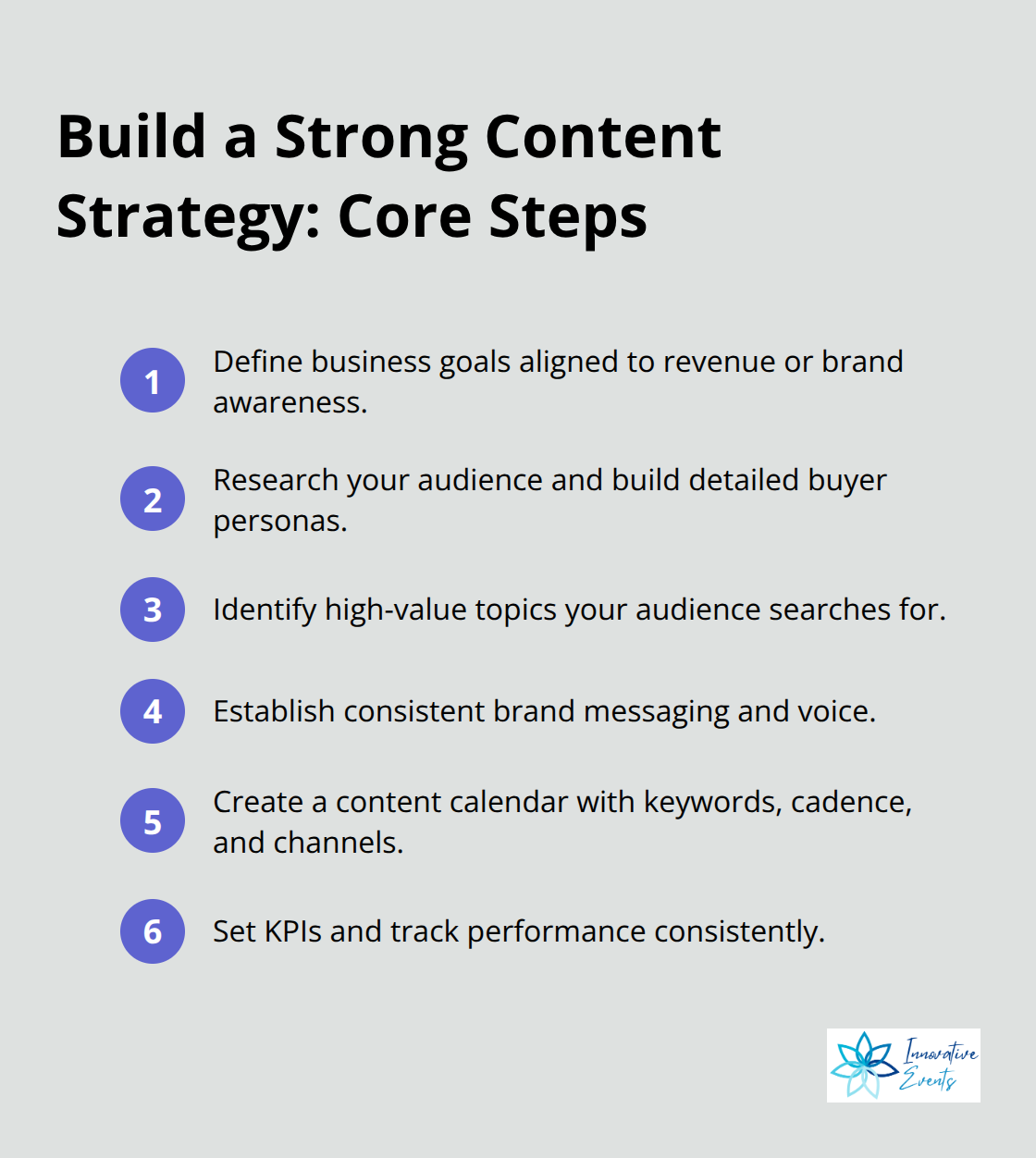
Content strategy is your roadmap before you create anything. It’s the planning phase where you define what content to build, why it matters to your business, and how you’ll measure its success. Most teams skip this step entirely and wonder why their content generates no leads or traffic.
A solid content strategy starts with clear business goals aligned to revenue or brand awareness targets. Without this, you’re shooting in the dark. You need to know if you’re building content to generate leads, establish thought leadership, or drive search visibility.
Research Your Audience and Build Personas
Next comes audience research-real research, not assumptions. Survey your customers about their pain points, job titles, and how they search for solutions. Build detailed buyer personas with specific demographics and behaviors. Then identify the high-value topics your audience actually searches for. Use tools like Ahrefs or Google Search Console to find keywords with search volume and low competition. This research phase determines everything that follows.
Establish Your Brand Messaging and Voice
Your brand messaging and voice come next. Define how your company speaks, the tone you use, and the unique perspective you bring to your industry. This consistency matters because it ensures your messaging aligns with your audience’s expectations and needs.
Build Your Content Calendar and Track Metrics
Your strategy should also include a content calendar that maps topics to keywords, publishing frequency, and distribution channels. The calendar keeps your team aligned and prevents scattered efforts. Finally, establish your metrics upfront. Decide which KPIs matter most-organic traffic, leads, conversions, or brand mentions-and commit to tracking them consistently.
This forward-thinking approach prevents wasted resources and creates the foundation that content marketing execution depends on. With your strategy locked in, you’re ready to move into the tactical phase where content marketing takes over and transforms your plan into real results.
What Content Marketing Actually Does
Strategy Transforms Into Execution
Content marketing is where your strategy becomes real output. It’s the creation, distribution, and promotion of actual content assets designed to move your audience from awareness to action. This is execution, not planning. Your strategy gave you the roadmap; now content marketing builds the roads. The difference matters because teams that execute without a strategy waste resources on content that doesn’t drive results. According to HubSpot’s 2025 State of Marketing, marketers plan to maintain or increase their investment in brand awareness, but many fail because they lack the strategic foundation we covered earlier.
Choosing Formats and Channels That Work
Content marketing means selecting specific formats like blog posts, videos, emails, and social updates, then distributing them across the channels where your audience actually spends time. This requires tactical decisions about which platforms to prioritize, how often to publish, and what each piece of content should accomplish. Most teams publish randomly and wonder why nothing gains traction. You need a publishing rhythm tied to your audience’s behavior and your business goals.
If your buyer persona is a software engineer, LinkedIn and technical communities matter more than TikTok. If you’re targeting Gen Z consumers, short-form video on TikTok or Instagram Reels drives more engagement than long-form blog posts. Your channel strategy must match where your audience actually consumes information.
Measuring What Actually Works
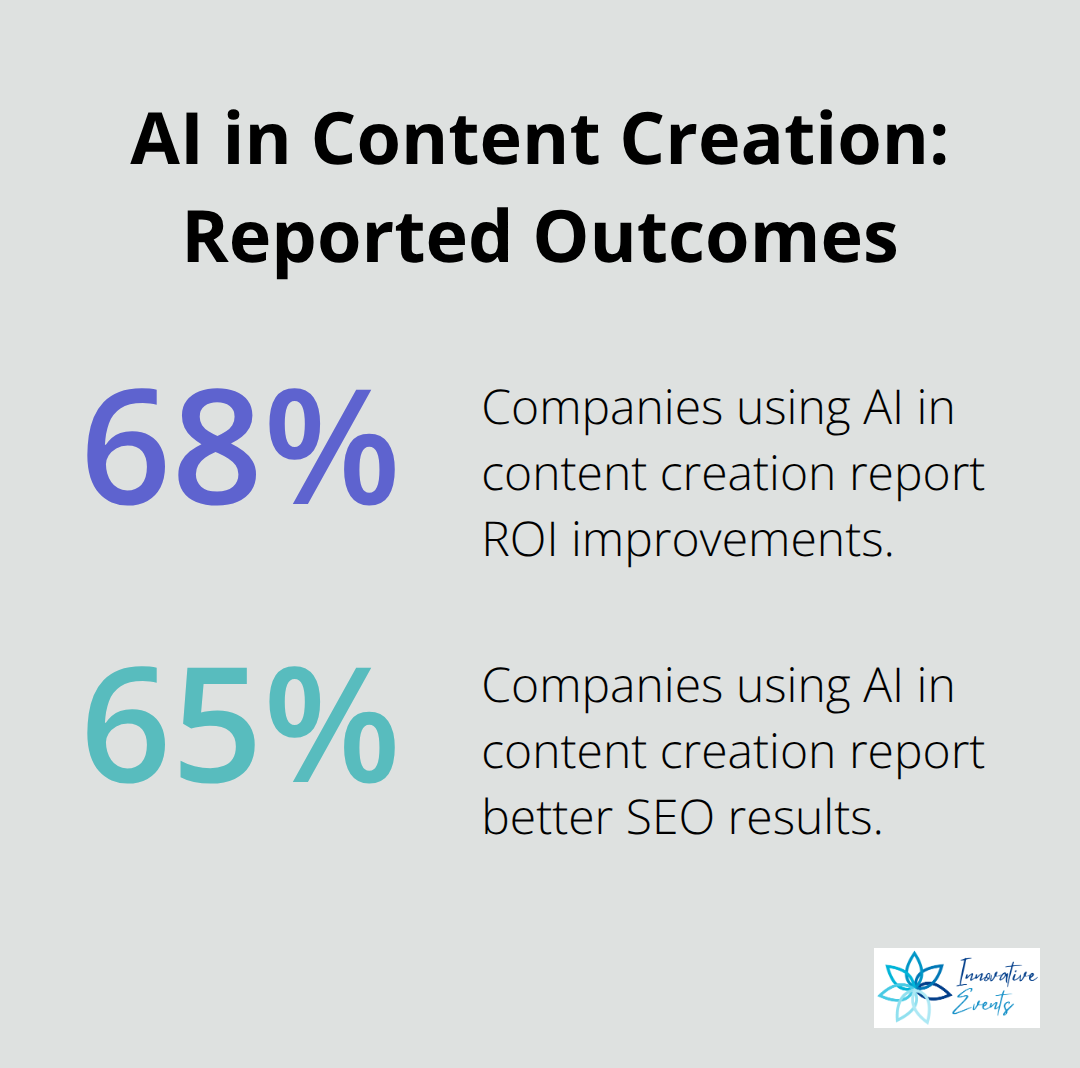
The execution phase also means measuring what actually works. Semrush data shows that 68% of companies using AI in content creation see ROI improvements, and 65% report better SEO results. This tells you that quality matters more than volume. Create fewer pieces of exceptional content than many pieces of mediocre content.
Track which content drives traffic, generates leads, and converts customers. Use Google Analytics, Google Search Console, or tools like Ahrefs to see which topics resonate. Then double down on what works and abandon what doesn’t. Your metrics reveal which formats and topics your audience actually engages with-information that feeds directly back into your content marketing strategy for the next cycle.
This feedback loop between execution and measurement is where content marketing proves its value. The data you collect now informs how you refine your strategy and adjust your approach moving forward. With execution underway and results flowing in, the real power emerges when strategy and marketing work in tandem.
Where Strategy and Marketing Actually Connect
Map Content to Business Objectives
Strategy without execution sits idle on a shared drive. Execution without strategy burns budget without moving results. The connection between them requires deliberate alignment at every step. Start by mapping content to your specific business objectives from your strategy. If your strategy targets qualified lead generation in Q1, your marketing execution should produce lead magnets, comparison guides, and case studies designed to capture contact information. If your goal involves establishing thought leadership, your execution focuses on original research, opinion pieces, and speaking opportunities. Most teams create content first and then wonder which business goal it serves. Reverse that process. Let your strategy dictate what gets created, then measure whether each piece moves you closer to your defined outcomes.
Adapt Your Message Across Platforms
Integration across platforms works the same way: strategy identifies which channels matter most, and marketing execution adapts your core message for each one. Your strategy identifies where your audience actually spends time based on research and data. Your marketing then takes your core message and remixes it for each platform’s unique format and audience behavior. A blog post about industry trends becomes a LinkedIn article with professional insights, a series of TikTok videos with quick takeaways, and an email sequence that drives readers back to the full piece. This isn’t repurposing for efficiency alone-it’s strategic distribution that meets audiences where they already are.
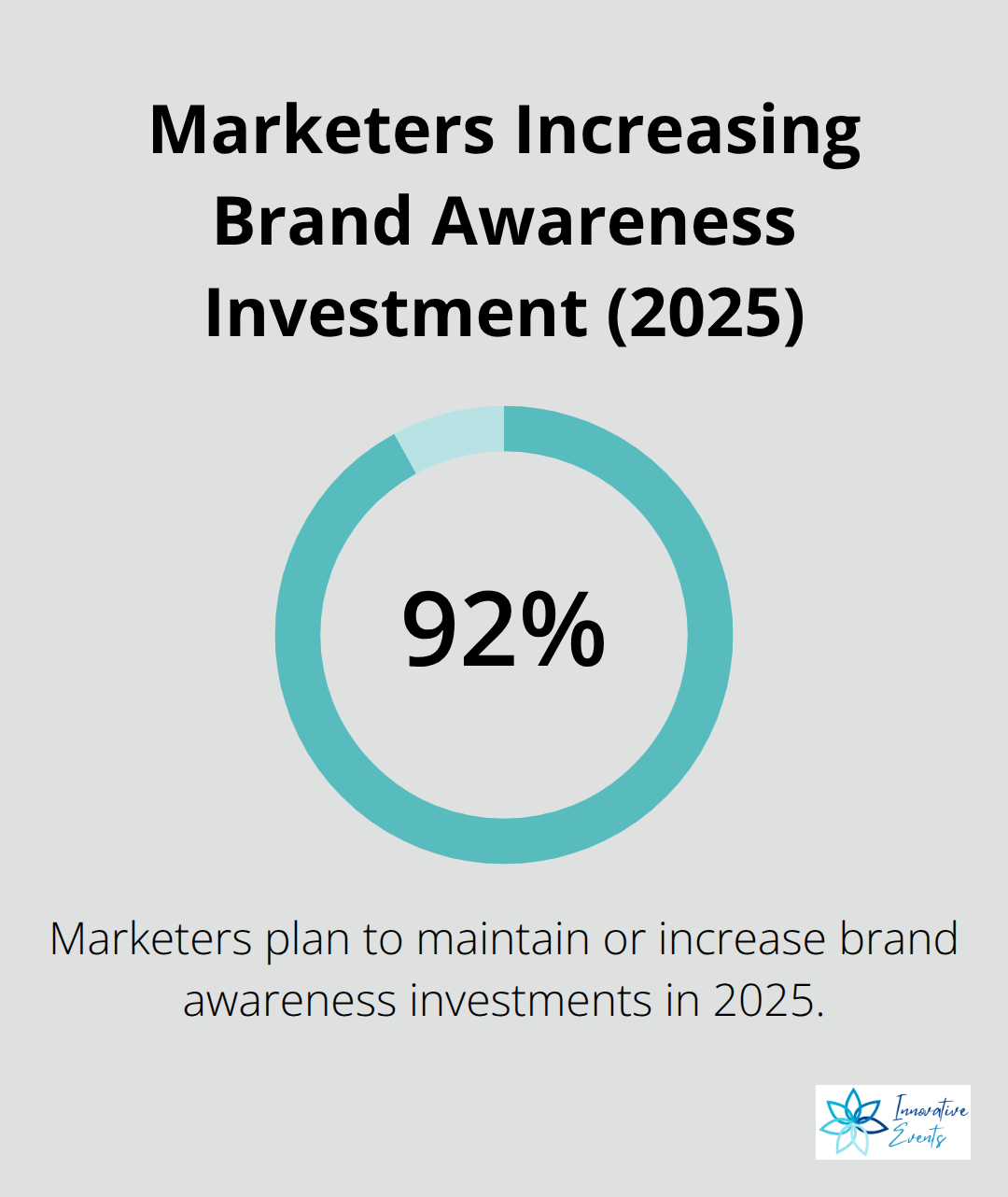
According to HubSpot’s 2025 data, 92% of marketers plan to maintain or increase brand awareness investments in 2025, but success requires this kind of coordinated approach across channels. Your strategy establishes the publishing cadence and channel priorities. Your marketing execution then produces the right format for each channel at the right time. Without a strategy directing this effort, you either overwhelm one channel while ignoring others, or you spread resources so thin that nothing gains traction.
Use Performance Data to Refine Strategy
The feedback loop matters significantly. As your marketing execution generates performance data, which topics drive traffic, which formats convert, which channels engage most, that data feeds directly back into strategy refinement. This monthly or quarterly review cycle keeps your approach responsive to what actually works rather than locked into assumptions that proved wrong. Your strategy informs what you measure, and your measurement results inform how you adjust your strategy next quarter.
Final Thoughts
The distinction between content strategy vs content marketing determines whether your efforts generate real business results or waste resources. Strategy establishes your planning foundation-it answers why you create content, who you’re reaching, and what success looks like. Marketing transforms that plan into actual assets, distributes them across channels, and measures what works. Neither stands alone effectively.
Teams that skip strategy and jump straight to content creation produce scattered output that rarely converts. They publish blog posts, videos, and social updates without knowing if those formats reach their audience or drive toward business goals. The result is high activity with low impact. Conversely, teams that plan strategy but never execute it sit with beautiful documents that generate zero traffic, leads, or revenue.
The real power emerges when both work together. Your strategy identifies which topics matter to your audience and which channels they use, while your marketing execution produces the right content in the right format for each platform. Your measurement data reveals what actually resonates and feeds directly back into strategy refinement for the next quarter (this cycle keeps your approach responsive and prevents you from repeating failed tactics). Innovative Events helps brands establish this alignment through strategic planning and execution support that transforms your content strategy vs content marketing approach into measurable business outcomes.