

Pharmaceutical companies face intense pressure to differentiate their products in a crowded marketplace. A well-crafted pharmaceutical brand strategy can mean the difference between market leadership and obscurity.
We at Innovative Events have witnessed how strategic branding transforms drug launches and drives sustainable growth. The most successful pharmaceutical brands combine rigorous scientific evidence with compelling messaging that resonates across multiple stakeholder groups.
Understanding Pharmaceutical Brand Strategy Fundamentals
Pharmaceutical brand strategy starts with the reality that regulatory constraints shape every message you communicate. The FDA requires substantiation for all claims, which means your brand messages must align perfectly with approved labels and clinical evidence. Companies that build their strategy around regulatory requirements from day one avoid costly revisions later. Johnson & Johnson demonstrates this approach by developing core messages that work across multiple regulatory environments simultaneously.
Target Audience Precision Drives Results
Successful pharmaceutical brands identify specific audience segments rather than broad categories. Healthcare professionals vary dramatically in their information needs – oncologists require different data than primary care physicians. Senior pharma executives recognize that key account managers are strategic to commercial success because they understand these nuanced differences.
Patient segments also demand precision. Rare disease patients need community support and educational resources, while chronic condition patients focus on adherence tools and lifestyle integration. Companies that map specific pain points for each audience segment create more effective campaigns and stronger relationships.
Competitive Positioning Through Clinical Differentiation
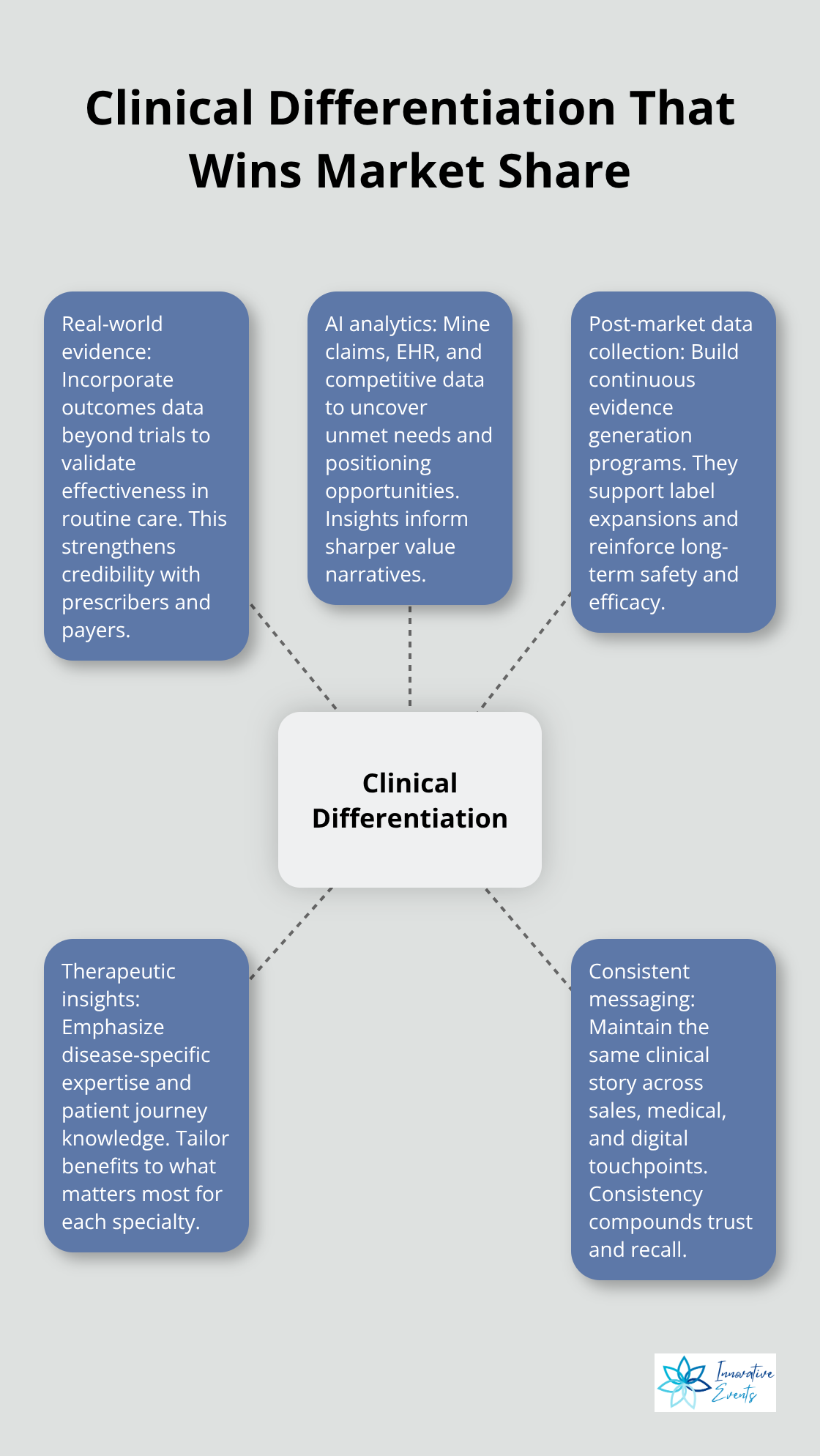
Your competitive position must center on concrete clinical advantages rather than marketing claims. Real-world evidence increasingly influences prescribing decisions, making post-market data collection essential for long-term positioning. Leading pharmaceutical companies use AI-powered analytics to identify market gaps and position their products accordingly.
The key lies in finding clinical differentiators that matter to your target audiences and communicating them consistently across all touchpoints. Companies that focus on therapeutic insights and clinical trial experience often expedite therapy delivery while building stronger brand reputations in competitive markets.
These foundational elements create the framework for effective pharmaceutical branding, but success requires more than strategic planning. The next phase involves implementing specific tactics that transform strategy into measurable results.
Key Elements of Successful Pharmaceutical Branding
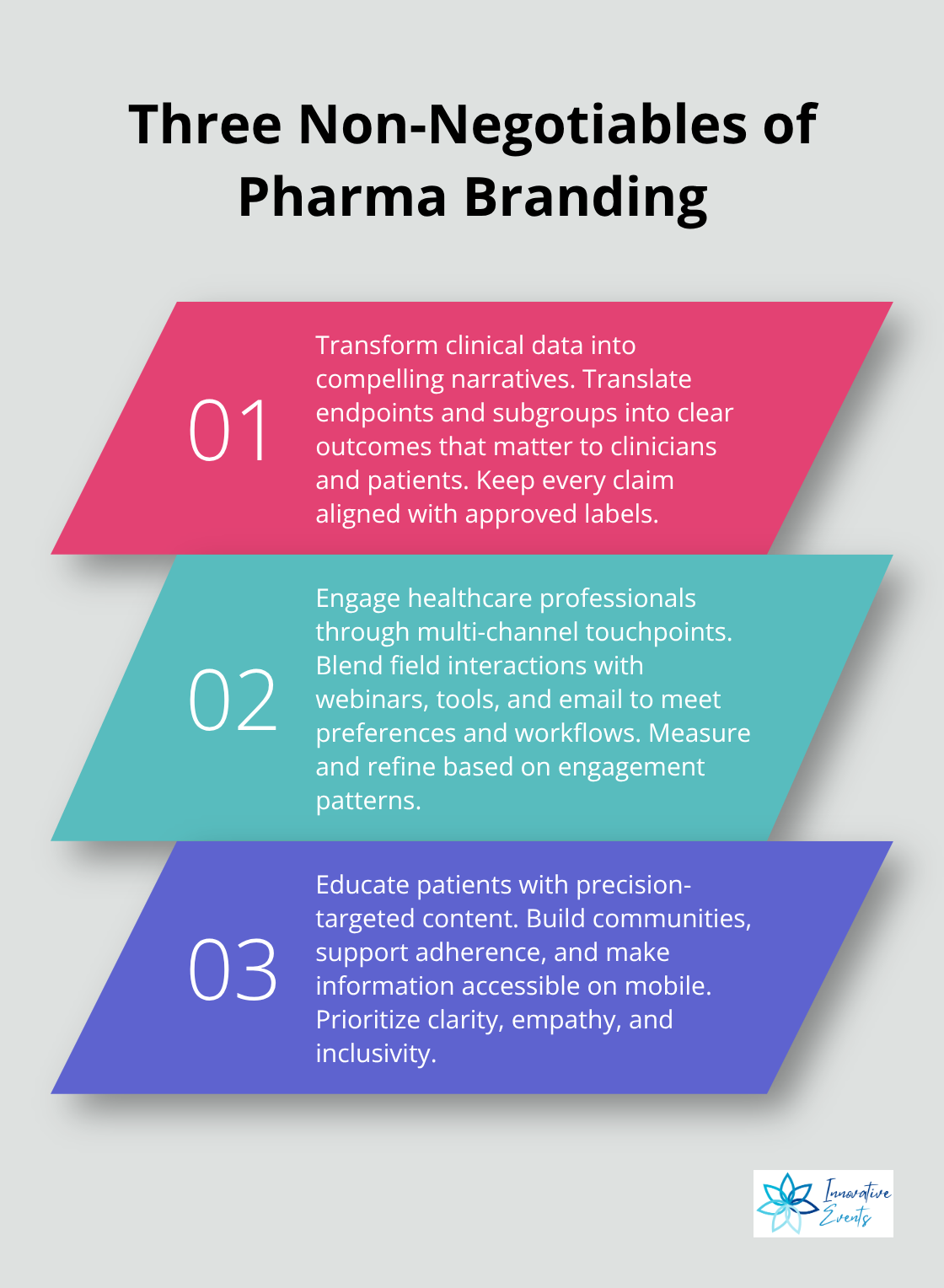
Pharmaceutical brands that dominate their markets share three non-negotiable characteristics: they transform clinical data into compelling narratives, they engage healthcare professionals through multiple strategic touchpoints, and they educate patients with precision-targeted content. These elements work together to create brands that healthcare providers trust and patients actively seek.
Clinical Data as a Strategic Asset
Smart pharmaceutical companies treat their clinical evidence as a competitive weapon rather than regulatory requirement. The most successful brands use AI-powered analytics to extract insights from clinical trials that competitors miss. Companies that leverage real-world evidence can reduce trial costs and shorten development timelines, according to recent industry analysis.
Leaders create modular content frameworks that adapt the same clinical data for different audiences. They develop detailed efficacy profiles for specialists, safety summaries for primary care physicians, and patient-friendly outcome descriptions for consumer-facing materials. This approach maximizes the return on clinical investment while it maintains message consistency across all stakeholder interactions.
Multi-Channel Healthcare Professional Engagement
Healthcare professionals now spend significantly less time with sales representatives and increasingly rely on digital information sources for prescribing decisions. Forward-thinking pharmaceutical brands respond with omnichannel strategies that combine traditional field interactions with digital touchpoints (educational webinars, interactive clinical tools, and personalized email sequences).
The companies that win in this space integrate their customer relationship management systems with real-time analytics to track engagement patterns and optimize outreach timing. They create healthcare provider resource hubs that offer continuing medical education credits alongside product information. This positions their brands as trusted educational partners rather than just product vendors.
Patient Education Through Community Building
Patient education campaigns that actually drive prescription demand focus on authentic communities rather than generic health information broadcasts. Successful pharmaceutical brands create patient support ecosystems that include advocacy organization partnerships, peer-to-peer connection platforms, and adherence tracking tools integrated into single user experiences.
These unified patient experience platforms increase engagement rates while they improve health outcomes (they consolidate education, onboarding, and support resources). Companies that excel in patient education invest heavily in mobile-first strategies and accessibility features, since health-related searches increasingly happen on mobile devices due to their accessibility and convenience.
These strategic elements form the foundation of successful pharmaceutical brands, but implementation requires sophisticated digital marketing approaches that amplify their impact across all channels.
Digital Marketing Strategies for Pharmaceutical Brands
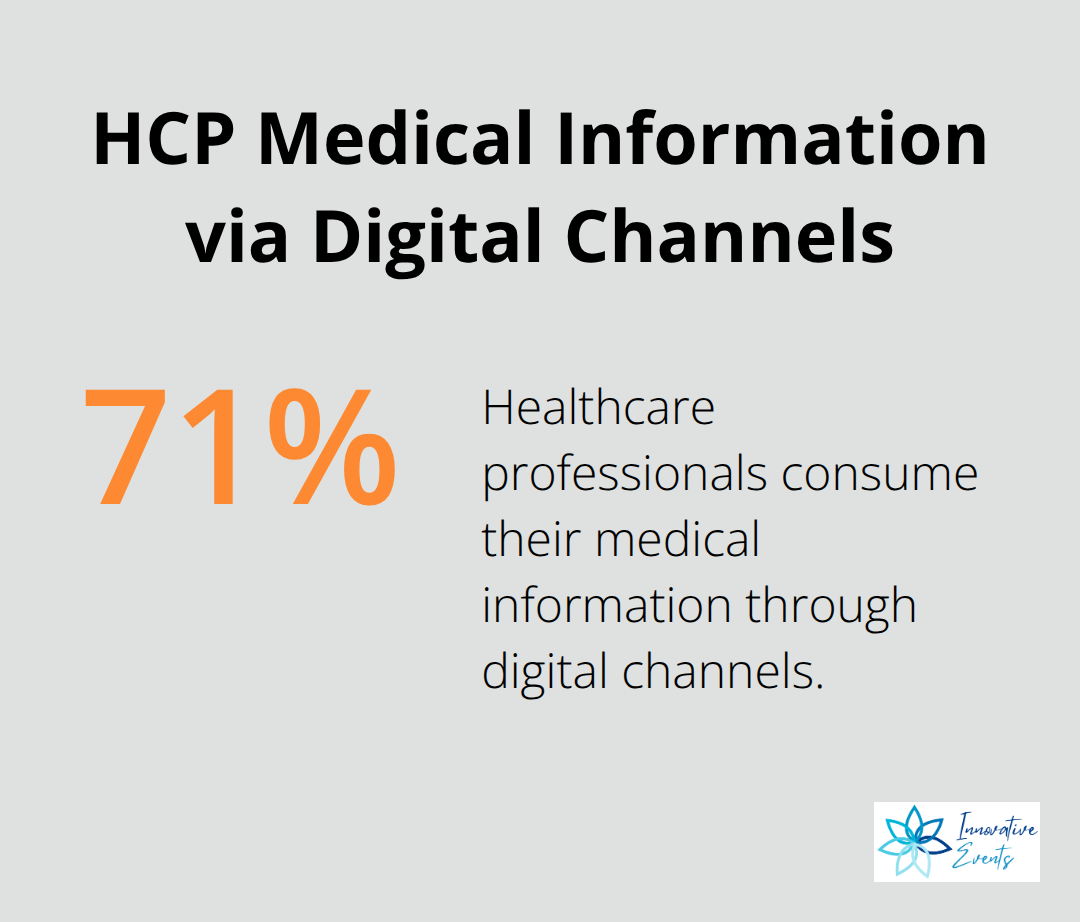
Digital transformation has fundamentally altered pharmaceutical marketing, with healthcare professionals now consuming 71% of their medical information through digital channels. Companies that dominate this space abandon traditional one-size-fits-all approaches and instead create hyper-targeted content ecosystems that deliver the right information to the right stakeholder at the precise moment they need it. Successful pharmaceutical brands use AI-powered content personalization to increase healthcare provider engagement rates, while they simultaneously reduce compliance review cycles through automated approval workflows.
Content Marketing for Medical Professionals
Medical professionals demand content that directly impacts their clinical decision-making process. The most effective pharmaceutical content strategies create modular educational frameworks that address specific clinical scenarios rather than generic product overviews. Companies that excel in this area develop interactive clinical decision support tools, case-based learning modules, and real-time treatment guideline updates that integrate seamlessly into healthcare provider workflows.
These brands track content engagement patterns with advanced analytics to identify which clinical topics generate the highest prescribing intent, then optimize their content calendars accordingly. Smart pharmaceutical marketers also create continuing medical education programs that position their brands as trusted educational partners while they deliver measurable learning outcomes for healthcare professionals.
Social Media Compliance and Engagement
Social media compliance in pharmaceutical marketing requires proactive monitoring systems rather than reactive content review processes. Leading pharmaceutical brands implement AI-powered social listening tools that identify potential adverse event reports, enabling rapid response and regulatory compliance. These companies create pre-approved content libraries with modular messaging components that social media managers can combine without requiring additional legal review.
The most successful pharmaceutical social strategies focus on educational content and community building rather than direct product promotion. This approach reduces regulatory risk while it builds authentic stakeholder relationships that drive long-term brand loyalty and prescription growth.
Data Analytics and Performance Measurement
Pharmaceutical brands that maximize their digital marketing ROI implement comprehensive analytics frameworks that track engagement across all touchpoints. These companies use real-time data to optimize campaign performance and allocate resources to the highest-performing channels. Advanced pharmaceutical marketers leverage predictive analytics to identify healthcare providers most likely to prescribe their products, then they customize outreach strategies accordingly.
The most sophisticated brands integrate their customer relationship management systems with marketing automation platforms to create seamless data flows. This integration enables personalized content delivery at scale while it maintains compliance with pharmaceutical marketing regulations across all digital channels.
Final Thoughts
Effective pharmaceutical brand strategy requires three foundational elements: regulatory-compliant messages backed by clinical evidence, precise audience segments that address specific stakeholder needs, and integrated digital approaches that deliver personalized content at scale. Companies that master these components create sustainable competitive advantages in increasingly crowded therapeutic markets. Implementation success depends on companies that avoid common pitfalls that derail pharmaceutical initiatives.
The biggest mistake involves companies that treat regulatory compliance as a barrier rather than a strategic framework that builds stakeholder trust. Companies also fail when they create generic messages for broad audiences instead of targeted content for specific healthcare provider specialties and patient populations. Another critical error involves companies that implement digital tactics without integrated analytics systems that track engagement and optimize performance across all touchpoints.
Future pharmaceutical brand strategy will be dominated by AI-powered personalization, real-time analytics, and patient-centric digital experiences. Companies that invest in predictive analytics capabilities and unified patient experience platforms will capture market share from competitors still reliant on traditional sales models. The integration of artificial intelligence with regulatory compliance systems will enable faster content approval cycles and more responsive campaign optimization (while maintaining strict regulatory standards). We at Innovative Events help companies create immersive brand experiences that build lasting relationships with healthcare professionals and patients.