

Your brand communications strategy determines whether customers connect with your message or scroll past it. Companies with consistent brand presentation see revenue increases of up to 23%, according to Lucidpress research.
At Innovative Events, we’ve seen how the right approach transforms client relationships and drives measurable results. This guide breaks down the essential steps to build a strategy that resonates with your audience and delivers real business impact.
What Makes Your Brand Foundation Solid?
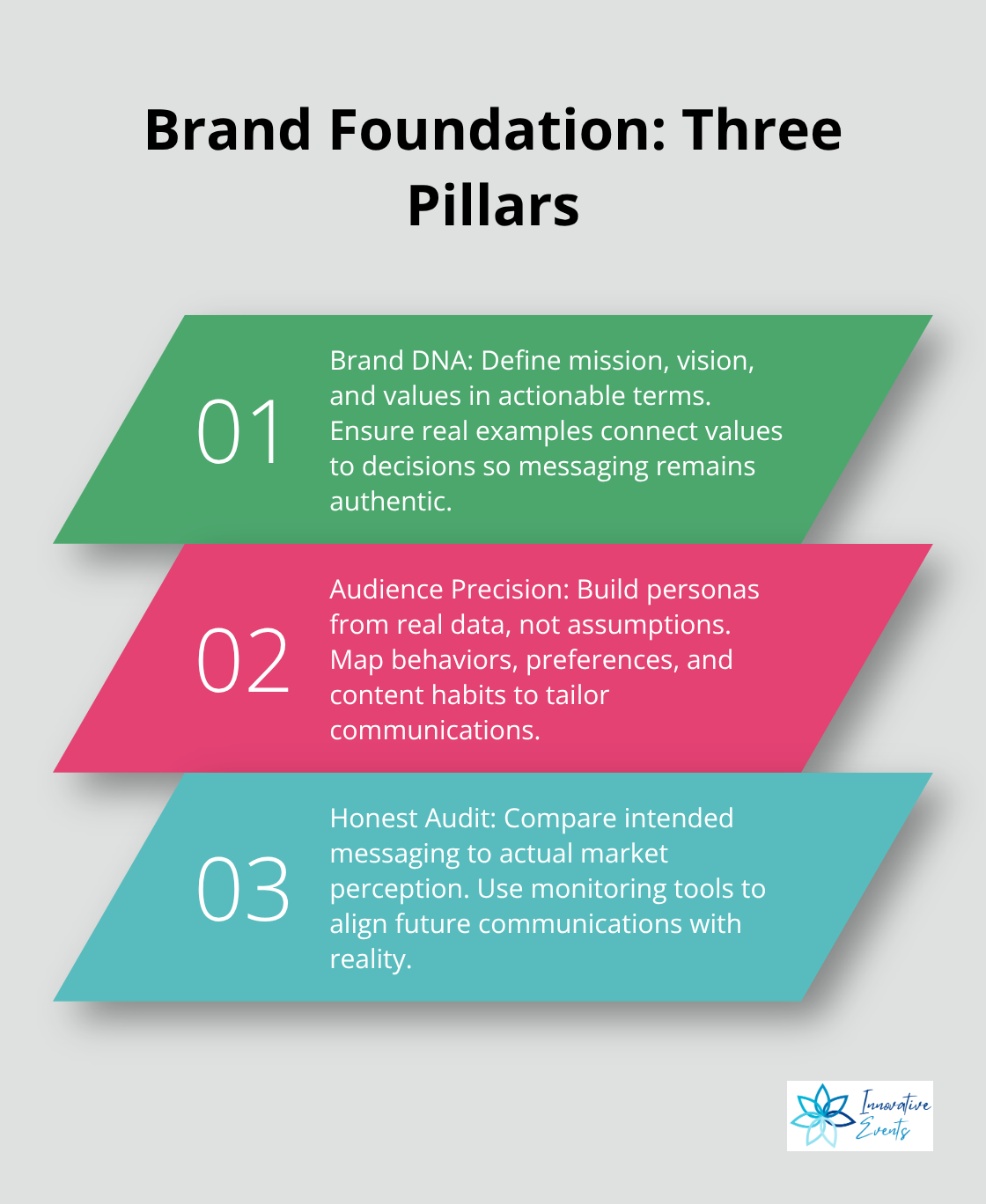
Your brand communications strategy starts with three fundamental pillars that most companies get wrong. Adobe research shows that over 70% of consumers prefer brands that connect with them on a personal level, yet 60% of consumers stop using brands that miscommunicate according to HubSpot data. The gap between intention and execution happens when companies skip the foundation work.
Start With Your Brand DNA
Your brand identity goes beyond logos and color schemes. Document your mission, vision, and values in specific, actionable terms. Nike doesn’t just sell athletic wear; they champion personal achievement. Patagonia doesn’t just make outdoor gear; they advocate for environmental responsibility.
Your values must translate into communication decisions. When Dove shifted from beauty products to self-esteem advocacy, their message became authentic because it reflected genuine company values. Write down three core values that guide every business decision. Test each communication against these values before you publish.
Map Your Audience With Precision
Generic demographics kill effective communication. Facebook’s largest user demographic spans 25-34 years old while Instagram attracts 18-24 year olds, but age alone won’t drive your strategy. Behavioral patterns matter more than basic demographics.
Create detailed buyer personas with real customer data, not assumptions. Survey current customers about their communication preferences, pain points, and media consumption habits. Analyze website analytics to understand how different segments interact with your content. The content marketing market is expected to reach USD 524.73 billion in 2025 and grow at a CAGR of 13.53% to reach USD 989.84 billion by 2030, highlighting the importance of strategic audience research.
Audit Your Current Brand Position
Most brands operate blind to their actual market perception. Conduct competitor analysis to identify communication gaps and opportunities. Monitor social media mentions, review sites, and customer feedback to understand your current brand sentiment.
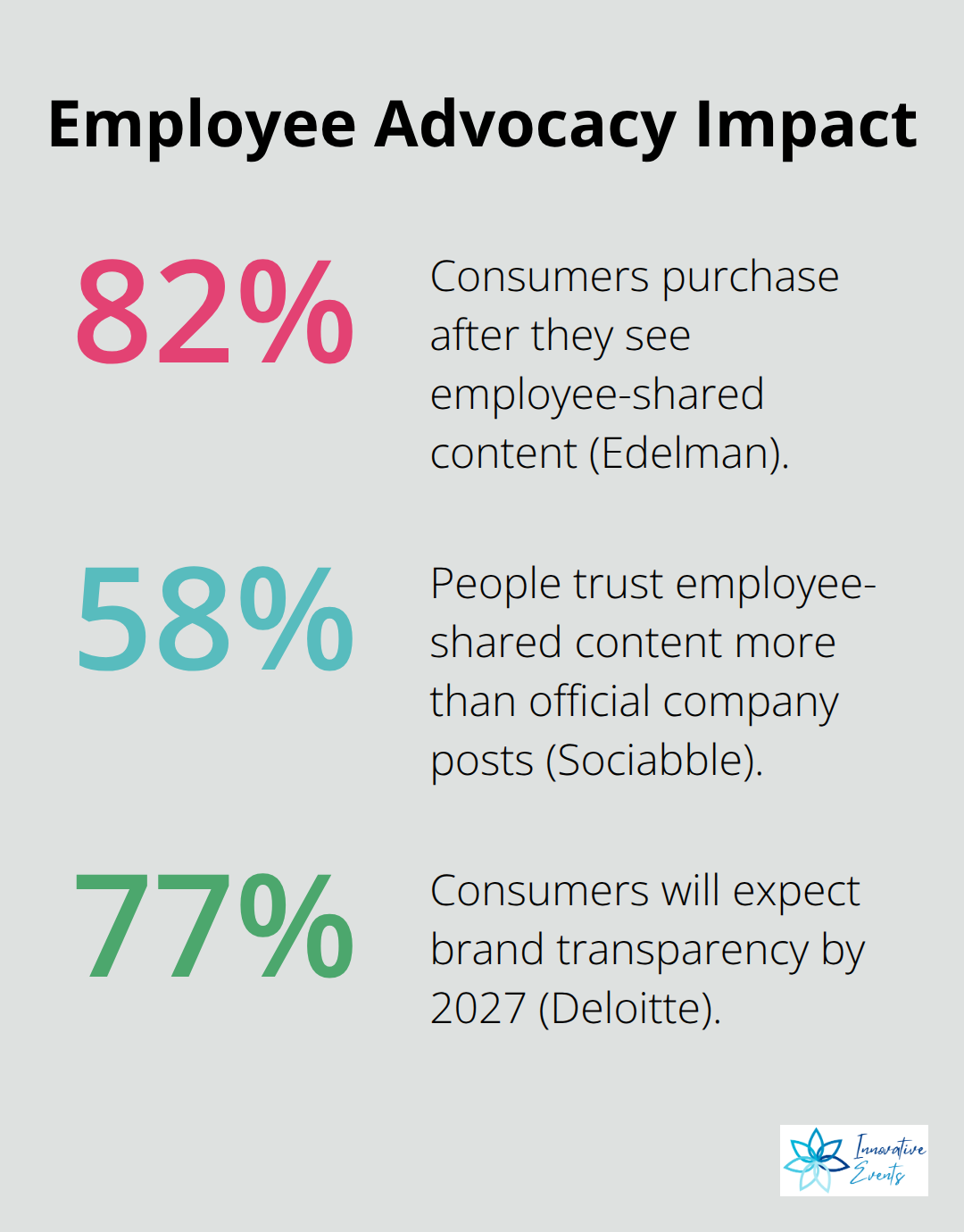
Tools like Google Alerts and social media platforms reveal how customers actually talk about your brand versus how you think they do. This audit reveals whether your intended message matches market reality. Deloitte research indicates that 77% of consumers will expect brand transparency by 2027 (which makes honest self-assessment essential for future success).
With your foundation solid, you can now build the framework that transforms these insights into consistent, powerful communications across every touchpoint.
How Do You Build A Framework That Actually Works?
Your message framework needs surgical precision, not creative chaos. Companies waste millions on beautiful campaigns that confuse rather than convert because they skip the systematic approach to message architecture.
Create a Message Hierarchy That Converts
Start with your core value proposition and build three levels of messages: primary messages for all audiences, secondary messages for specific segments, and tactical messages for individual campaigns. Research shows that consumers are more likely to purchase from brands after seeing employee-shared content, yet most companies ignore internal message consistency.
Train your team on these message hierarchies because your employees become your most trusted advocates when they understand and believe your communications. Document each message level with specific examples and use cases to prevent confusion across departments.
Select Channels Based on Behavior Data
Stop spreading thin across every platform and focus where your audience actually engages. Instagram users aged 18-24 expect visual storytelling, while LinkedIn professionals want industry insights and thought leadership.
Analyze your website traffic sources and social media analytics to identify which channels drive actual conversions (not just vanity metrics). TikTok generates engagement but rarely converts B2B leads, while email marketing still delivers the highest ROI for most industries.
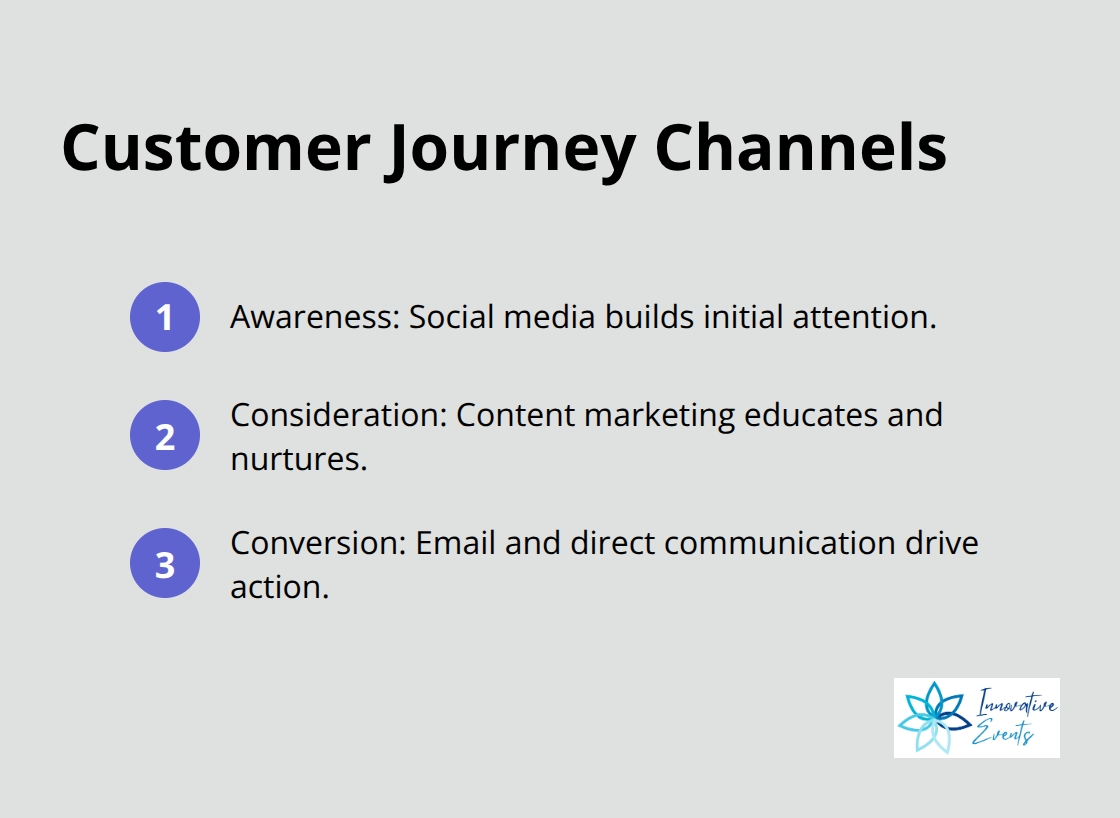
Choose three primary channels and dominate them rather than maintain a weak presence everywhere. Your channel strategy should reflect customer journey stages: awareness channels like social media, consideration channels like content marketing, and conversion channels like email and direct communication.
Develop Voice Guidelines That Scale
Your brand voice must work across customer service emails and CEO speeches alike. Netflix maintains consistent wit whether responding to Twitter complaints or announcing quarterly results.
Document specific word choices, sentence structures, and emotional tones with concrete examples. Create voice guidelines that include what your brand never says alongside what it does say (this prevents off-brand communication before it happens).
Test your voice against crisis scenarios because authentic brands sound like themselves even under pressure. 58% of people trust employee-shared content more than official company posts, making voice consistency across all team members essential for credible communications.
With your framework established, the next phase focuses on execution and measurement to turn your strategic foundation into measurable business results.
How Do You Execute and Optimize Your Strategy?
Implementation separates successful brands from those with beautiful strategies that collect digital dust. Campaigns must launch with military precision while maintaining flexibility for real-time optimization.
Launch Campaigns with Systematic Precision
Start each campaign with a detailed content calendar that maps messages to specific channels and dates. Coca-Cola’s Share a Coke campaign succeeded because it maintained consistent personalization messages across 150 countries while adapting local execution.
Your team needs clear approval processes, content templates, and emergency protocols for off-brand content. Document every campaign decision because successful tactics become repeatable systems. Employee advocacy programs amplify reach when staff share branded content authentically.
According to Edelman research, 82% of consumers purchase from brands after they see employee-shared content (which makes internal alignment essential for external success). Create approval workflows that prevent delays while they maintain brand standards across all touchpoints.
Track Metrics That Drive Business Decisions
Most companies drown in vanity metrics while they miss conversion indicators. Focus on engagement rates, website traffic from specific campaigns, and return on ad spend rather than follower counts.
A/B testing reveals which messages convert prospects into customers across different audience segments. HubSpot data shows that marketers who automate content and analytics report higher efficiency and faster campaign execution.
Set up automated dashboards that track customer journey progression from awareness to purchase. Monitor social media mentions and sentiment shifts in real-time with tools like Google Alerts or social platforms. Customer feedback through surveys and reviews provides qualitative insights that numbers alone miss.
Optimize Based on Performance Data
Successful brands treat strategy as documents that evolves with market feedback. Review campaign performance monthly and adjust messages based on engagement patterns and conversion rates.
If LinkedIn posts generate leads while Instagram drives awareness, shift budget allocation accordingly. Customer behavior changes rapidly; Netflix adapted its communication strategy three times during the wars to maintain market leadership (demonstrating the power of strategic flexibility).
Schedule quarterly strategy reviews with stakeholder input to identify opportunities and threats. Document what works and scale successful tactics across similar campaigns while you eliminate poor performers immediately.
Final Thoughts
Your brand communications strategy succeeds when every element works together systematically. The foundation requires a clear brand identity, precise audience research, and an honest market position assessment. Your framework must create consistent message hierarchies, select channels based on actual user behavior, and establish voice guidelines that scale across all touchpoints.
Implementation demands systematic campaign execution with detailed content calendars and approval processes. Track engagement rates, website traffic, and return on ad spend rather than vanity metrics. Optimize monthly based on performance data and conduct quarterly strategy reviews with stakeholder input.
Most companies fail when they skip foundation work, spread thin across too many channels, or ignore performance data (others create beautiful strategies that never launch or launch campaigns without measurement systems). Start with one channel where your audience actively engages and perfect your approach before you expand to additional platforms. At Innovative Events, we help brands transform their communications through strategic event experiences that build relationships and inspire communities.